
Around 6 minutes to read
Published by Serious Sports Training Academy
Your planning notes
- Sports massage careers can be employed, self-employed, freelance or part of a portfolio career.
- Local trust, professional systems and relationships matter as much as promotional reach.
- A qualification does not guarantee employment, clients or a particular income.
- Your scope, competence and insurance must shape the work you accept.
There is no single sports massage career
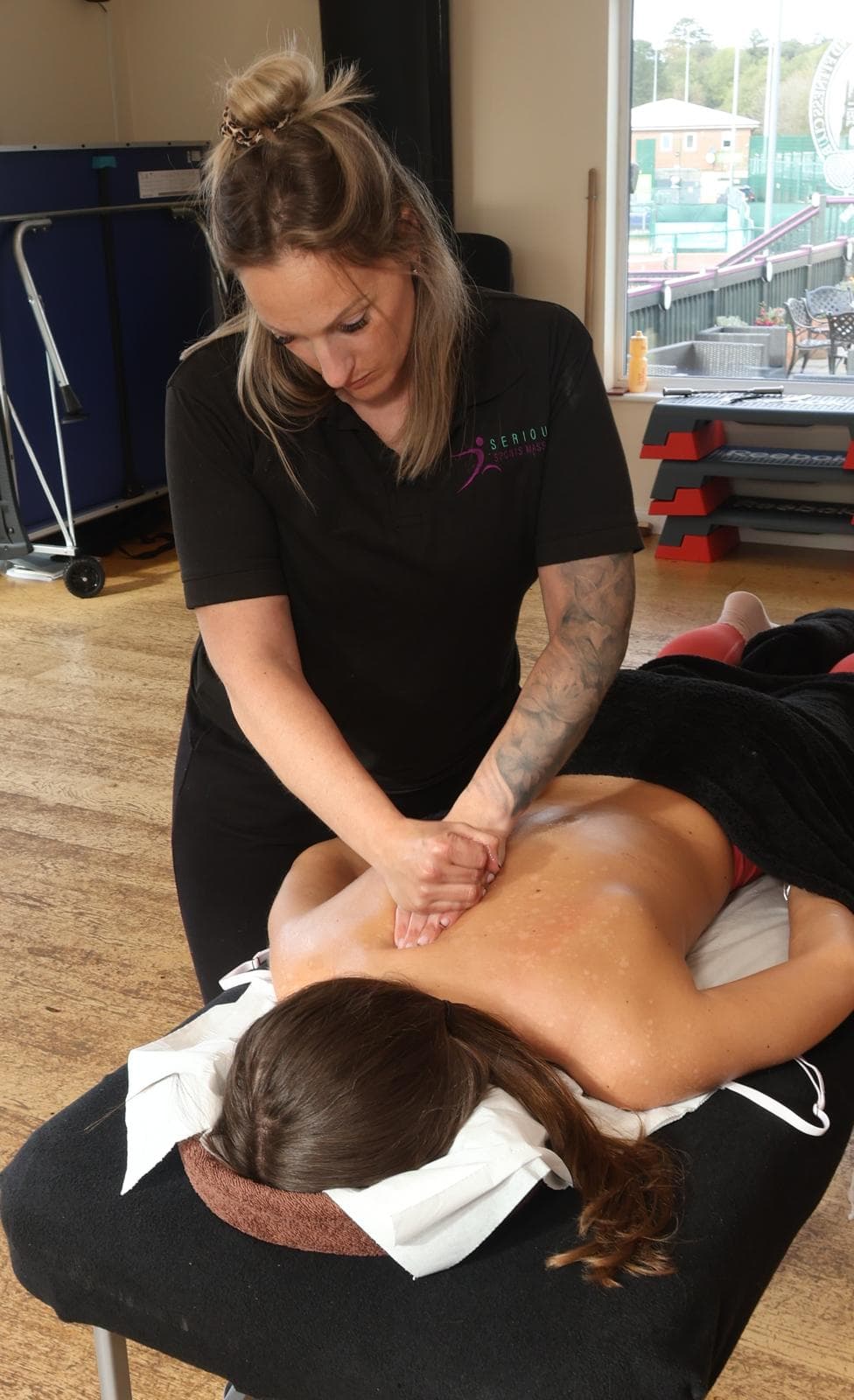
People often search for “sports massage jobs” as though the qualification leads to one standard role. In practice, practitioners work across several settings and may combine employed hours, room rental, mobile appointments or another health and fitness role. The right model depends on your experience, finances, location, availability and appetite for running a business.
It is useful to separate the professional skill from the way it is sold. The core responsibilities around consultation, consent, client care, records and working within scope remain important whether you are employed by an organisation or operating under your own name.
Where sports massage practitioners may work
Opportunities vary by area, season and employer. Relevant environments may include gyms, leisure centres, sports clubs, treatment rooms, wellness businesses, events and multidisciplinary settings. Some organisations advertise employed roles; others engage practitioners on a freelance or room-rental basis.
A job title does not tell you everything about the arrangement. Ask whether you will be an employee, worker, contractor or room renter; who supplies equipment; who controls bookings; how records are handled; and what insurance is required. If the contractual position is unclear, obtain suitable professional advice.
- Gyms, health clubs and leisure facilities
- Independent treatment rooms and wellbeing businesses
- Sports clubs, teams and participation events
- Mobile or home-based services where appropriate
- Portfolio work alongside personal training, coaching or another role
Compare the main working models
Each model changes the balance between stability, independence and responsibility. Compare the complete arrangement rather than choosing on headline earnings alone.
Scroll sideways to compare the columns. Row labels stay visible.
| Working model | Potential advantages | Responsibilities and trade-offs |
|---|---|---|
| Employed role | Established setting, systems and potential access to existing clients | Less control over hours or service design; vacancies may be limited |
| Self-employed room rental | Professional location and control over your service | Rent, marketing, records, insurance and empty appointment risk |
| Mobile practice | Lower fixed premises cost and convenience for some clients | Travel time, setup, safety, storage and a defined service area |
| Home treatment space | Control over schedule and potentially lower overheads | Privacy, suitability, insurance, household impact and local requirements |
| Portfolio career | Multiple income sources and complementary professional skills | More scheduling, boundaries, administration and role clarity |
What the day-to-day work includes
Client-facing time is only part of the working day. Practitioners may also handle enquiries, prepare the environment, review consultation information, maintain notes, clean equipment, manage payments and follow up appropriately. Self-employed practitioners add marketing, bookkeeping, supplier management and relationship building.
The physical load also needs planning. Several hands-on appointments in succession can be demanding. Sustainable scheduling, body mechanics and time between clients are professional decisions, not signs of low ambition.
Approach earnings claims carefully
Income varies widely and should not be inferred from an advertised appointment price. A self-employed practitioner must consider room rent, travel, equipment, insurance, software, tax, cancellations, unpaid administration and the time required to attract and retain suitable clients.
Training providers should not guarantee a job, a number of clients or a return on investment. Build a personal forecast using realistic appointment capacity, conservative demand assumptions and the actual costs of your intended model. If financial planning is important to your decision, use qualified business or accounting support.
How to prepare for your first role or clients
Employers and potential clients need evidence of professionalism as well as a certificate. Keep qualification evidence, a clear CV or profile, appropriate insurance information and examples of how you communicate and work within scope. References, suitable case-study experience and a thoughtful professional biography can help others understand your readiness.
For self-employment, start with one clear service and one reliable enquiry route. Build relationships with relevant local professionals by being useful and specific. Ask about their members or clients before asking them to promote you.
- Create a concise CV and professional online profile.
- Explain your qualification and scope accurately.
- Prepare consultation, consent, privacy and record systems.
- Respond to enquiries promptly and professionally.
- Track which relationships and activities create suitable conversations.
Sports massage as part of a portfolio career
Many people do not move directly from a previous occupation into full-time sports massage. They may begin with selected evenings or weekends, add the service to personal training, or combine it with coaching and other work. A portfolio approach can reduce pressure while you test demand and build experience.
Keep each professional role clear. Do not allow a fitness, coaching or wellbeing credential to blur the limits of your sports massage training. Your service descriptions, records and referrals should make the role you are performing understandable to the client.
Plan progression around real career goals
Further learning can support a more developed career, but it should solve a genuine capability gap. Review the work you want to do, the situations outside your competence and the feedback you receive. Level 4 may be a relevant progression route after an appropriate Level 3 foundation; other continuing development may support business, client care or a chosen professional setting.
If sports massage fits your goals, the next step is to compare a credible foundation course and ask direct questions about practical learning, assessment and professional scope.
Common questions
Frequently asked questions
What jobs can I get with a Level 3 sports massage qualification?
Potential settings include gyms, clubs, treatment rooms, events and self-employed practice, but vacancies and engagement models vary. Qualification does not guarantee a role, and you must check each employer’s requirements.
Can a sports massage therapist be self-employed?
Yes, many practitioners are self-employed. They are then responsible for appropriate insurance, records, privacy, premises, pricing, bookings, marketing, tax and other requirements that apply to their circumstances.
Can I combine sports massage with personal training?
A portfolio career is possible when you hold the relevant qualifications and keep the scope, records and client communication for each role clear.
How much can a sports massage therapist earn?
There is no guaranteed figure. Earnings depend on the working model, location, demand, appointment capacity, costs, cancellations and unpaid business activity. Treat promotional income claims cautiously.
Continue researching