
Around 6 minutes to read · Updated 8 September 2026
Published by Serious Sports Training Academy
Your planning notes
- Start with a credible Level 3 qualification and understand its professional scope.
- Choose training with meaningful supervised practice, observation and feedback.
- Plan insurance, records, client care and your working model before taking bookings.
- Treat qualification as the foundation of a career, not a guarantee of work or income.
1. Understand what the role actually involves
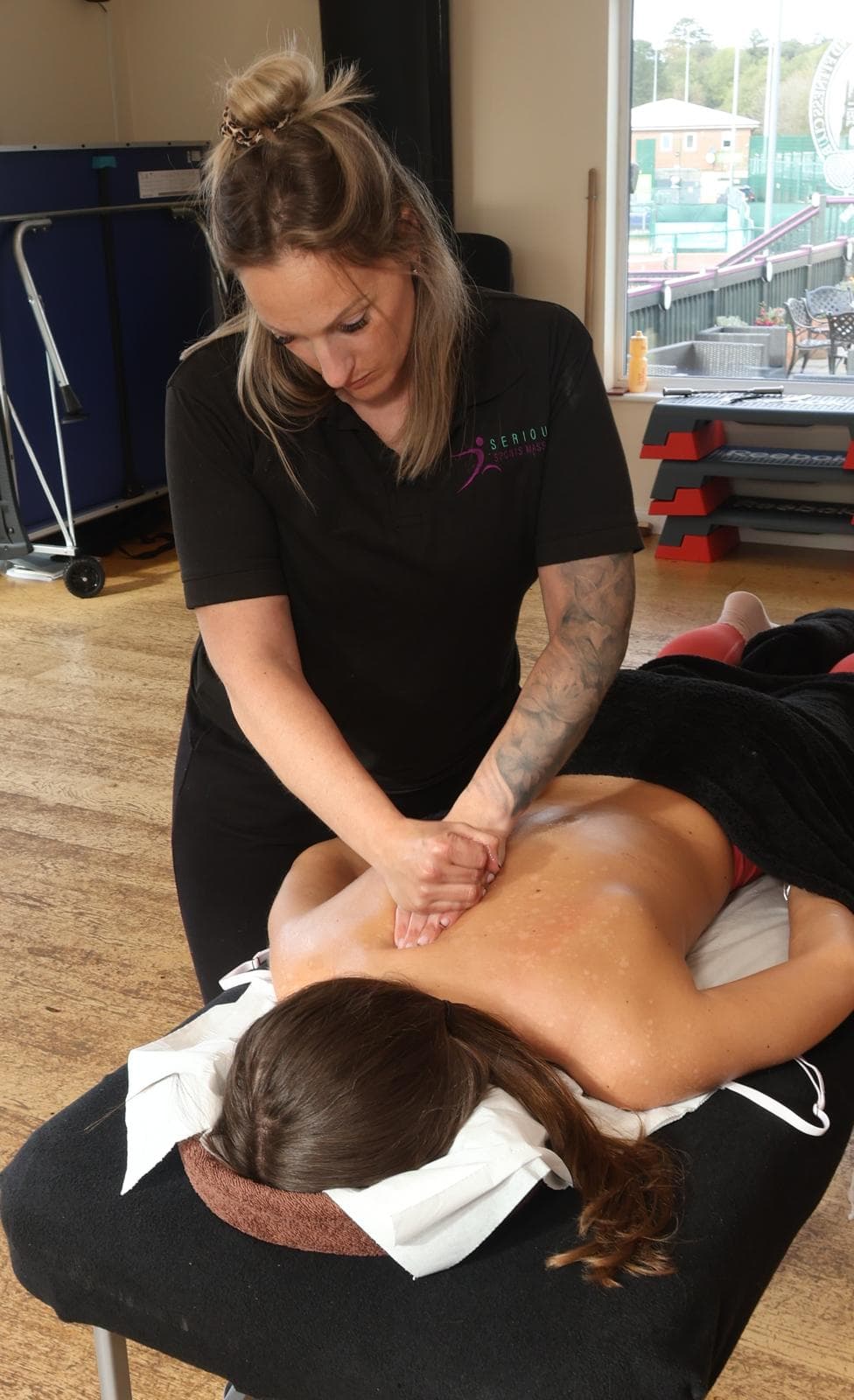
Sports massage is practical, people-focused work. A practitioner does much more than perform massage techniques: each appointment also involves professional communication, consultation, consent, client comfort, suitable records and clear boundaries. You need to be comfortable working closely with different people and explaining what you are doing in a calm, respectful way.
The work can also be physically demanding. Good body mechanics, a sensible appointment schedule and an appropriate treatment environment matter to the long-term sustainability of the role. Before paying for a course, consider whether hands-on work, repeated practice and direct client contact suit the kind of career you want.
- Observe or speak to a working practitioner if possible.
- Consider whether you prefer employment, self-employment or a portfolio career.
- Be realistic about study time, practical attendance and physical workload.
2. Choose the right Level 3 starting qualification
For a beginner, Level 3 is the normal foundation for developing the knowledge, practical skills and professional habits used in sports massage. Ask the provider for the exact current qualification title, awarding organisation, assessment requirements and registration route. Avoid relying on broad phrases such as “industry accredited” without the detail behind them.
Level 3 is a professional foundation, not permission to diagnose injuries or work beyond your training. A responsible course should explain scope, contraindications, referral and the situations in which treatment should be postponed or declined. That clarity protects clients and helps you build a credible career.
3. Compare the learning experience, not only the price
Two courses can carry similar titles while providing very different learning experiences. Request the timetable and separate tutor-led practical sessions from independent study, case studies and assessment. Ask how often a tutor will observe your technique and how you will receive specific corrections.
Also compare the complete cost. Check what is included, what may cost extra, whether reassessment has a fee and how payment plans work. A lower headline price may not represent better value if practical observation, support or essential materials are limited.
- Exact qualification and awarding route
- In-person teaching and supervised practical time
- Tutor-to-learner ratio and feedback process
- Assessment format and reassessment policy
- Total fee, deposit, instalments and additional costs
- Named support during and after training
4. Build skill through practice and feedback
Confidence usually develops after repeated practice, not before it. A useful learning cycle is to understand the purpose of a technique, watch a demonstration, practise it, receive a specific correction and repeat the improved action. Keep a practice log so that feedback becomes a visible development plan rather than a vague memory.
Anatomy is easier to retain when it is connected to location, movement and practical relevance. Consultation should also be practised as a real skill. By the end of training, you should be able to explain your decisions, communicate appropriately, work within scope and recognise when to stop and seek guidance.
5. Complete your professional setup
A certificate does not automatically create a safe or functioning practice. Before offering appointments, confirm the requirements for your circumstances. These can include suitable professional insurance, an appropriate environment, consultation and consent documents, secure record keeping, privacy information, hygiene processes and a reliable enquiry or booking route.
If you are self-employed, you will also need a clear service, transparent price, professional contact details and a basic process for confirmations, cancellations and follow-up. Health information requires careful handling. Obtain appropriate legal, tax and insurance guidance instead of treating a generic checklist as personal professional advice.
6. Gain experience without overstating your scope
New practitioners continue to learn after assessment. Build experience with suitable clients, reflect on each appointment and remain within the limits of your current competence and insurance. Do not market yourself as diagnosing, curing or fixing injuries, and do not use a Level 3 certificate to imply advanced capabilities you have not developed.
A strong reputation grows from consistent client care: clear communication, professional boundaries, accurate records, punctuality, honest service descriptions and appropriate referral. Those habits are more durable than exaggerated claims or short-term discounts.
7. Build a career through visibility and relationships
Sports massage is often a local service. A clear one-page website and professional relationships with gyms, trainers, coaches, clubs and wellbeing businesses can be more valuable than chasing a large social following. Make it easy for a suitable person to understand who you are, what you offer, where you work and how to enquire.
Employment and self-employment require different plans. An employed role may provide an established setting and systems, while self-employment gives more control but adds responsibility for costs, records, marketing and administration. Many practitioners combine sports massage with fitness, coaching or another occupation while their experience grows.
8. Keep developing with a purpose
Level 3 is the beginning of professional development. Further learning may include Level 4 study, relevant continuing professional development, mentoring or supervised reflection. Choose development because it supports the clients you want to work with and the gaps you can evidence, not because a new certificate sounds impressive.
If you are ready to compare a practical starting route, review the SSTA Level 3 course details and ask the academy for the current timetable before making a decision.
Common questions
Frequently asked questions
Do I need previous massage or fitness experience?
Not necessarily. A beginner-focused Level 3 route should teach the foundations, but you still need to meet the provider’s entry requirements and commit to the practical and theory work.
Can I work immediately after qualifying?
Qualification is one part of readiness. Before accepting clients, confirm insurance, scope, records, privacy, premises and any other requirements that apply to your working model.
Does qualifying guarantee a job or clients?
No. A qualification provides an essential foundation, but employment, bookings and income depend on factors such as experience, location, working model, professional setup and business development.
Is Level 4 required to begin?
Level 3 is designed as the foundation. Level 4 is normally a progression route for practitioners who have the appropriate prior qualification and want to develop further.
Sources and further reading
Continue researching